Here's something to notice: boat owners almost never think about their canvas until it's already a problem. The cover starts smelling like a wet basement, or you notice dark stains that weren't there last season, or the whole thing just looks rough in a way that hosing it down won't solve. By that point, you're not looking for a quick fix. You're looking for someone who actually knows marine fabric and won't just make things worse.
Texas has no shortage of people advertising boat canvas cleaning services. Narrowing it down to someone genuinely worth hiring? That takes a little more effort.
Here's what's actually worth paying attention to.
It’s not just about avoiding breakdowns. It’s about safety, protecting your boat, and making sure everything works when you need it to.
A lot of issues with lifts don’t happen overnight. They build slowly. And if no one’s checking regularly, small problems can quietly turn into expensive ones.
Marine Canvas Isn't Just Fabric — And Not Every Cleaner Gets That
Walk up to ten people who offer canvas cleaning and ask them what products they use on coated marine fabric. A surprising number will either give you a vague answer or name something that would slowly destroy the coating over repeated use.
Marine canvas, whether it's Sunbrella, vinyl-backed, or acrylic-coated, is engineered to handle years of sun, salt, and moisture. But that engineering only holds up when you treat the material correctly. Wrong cleaner, wrong concentration, pressure washer cranked too high, any of these will degrade the fabric faster than the weather ever would.
So before anything else, just ask the question. What do you use, and is it safe for coated marine fabric? A professional who's genuinely experienced will answer that without blinking. Someone winging it will fumble around and hope you don't notice.
Gulf Coast Conditions Are Their Own Beast
People from outside Texas often underestimate how humidity affects things here. It does more than make summers uncomfortable. It creates the perfect environment for mildew to grow on canvas, sometimes within days if the cleaning is not done properly.
Professionals who have worked on boats along the Gulf Coast for years have seen every version of this issue. They know which products perform well in high humidity, how long the canvas needs to dry before storage, and how to spot early signs of mildew before it becomes serious.
When searching for boat dock builders near me in Texas , this kind of local experience is worth prioritizing. It is not just a bonus. It is the difference between a cleaning that lasts a full season and one that starts failing within weeks.
If They Can't Explain Their Process, That's Your Answer
The question "Can you walk me through how you'd clean my canvas?" contains two essential pieces of information that show your character. The correct method to clean a canvas begins with a rinse, which removes surface dirt, and proceeds with fabric-safe cleaner application. The entire cleaning process requires complete rinsing of all materials before the canvas can enter storage after it has dried completely.
That drying step trips people up more than anything else. The canvas material will start to grow mildew when it gets folded, while it still maintains its dampness. The cleaner who works on drying procedures as if they are secondary tasks shows either a lack of experience or a need to rush through work.

The Good Ones Will Give You Aftercare Tips Without Being Asked
This is a small thing that says a lot. A cleaner who's genuinely good at their job knows that what happens between professional cleanings affects the canvas just as much as the cleaning itself. So they'll mention it: brush debris off before it grinds into the fibers, don't let water sit and pool on the surface, reapply a protectant spray before peak season.
If they finish up, hand over an invoice, and head out without a word about upkeep, they're not really invested in the outcome. They got paid, and they're done. That's a different kind of service provider entirely.
Dock Covers Take a Specific Kind of Abuse
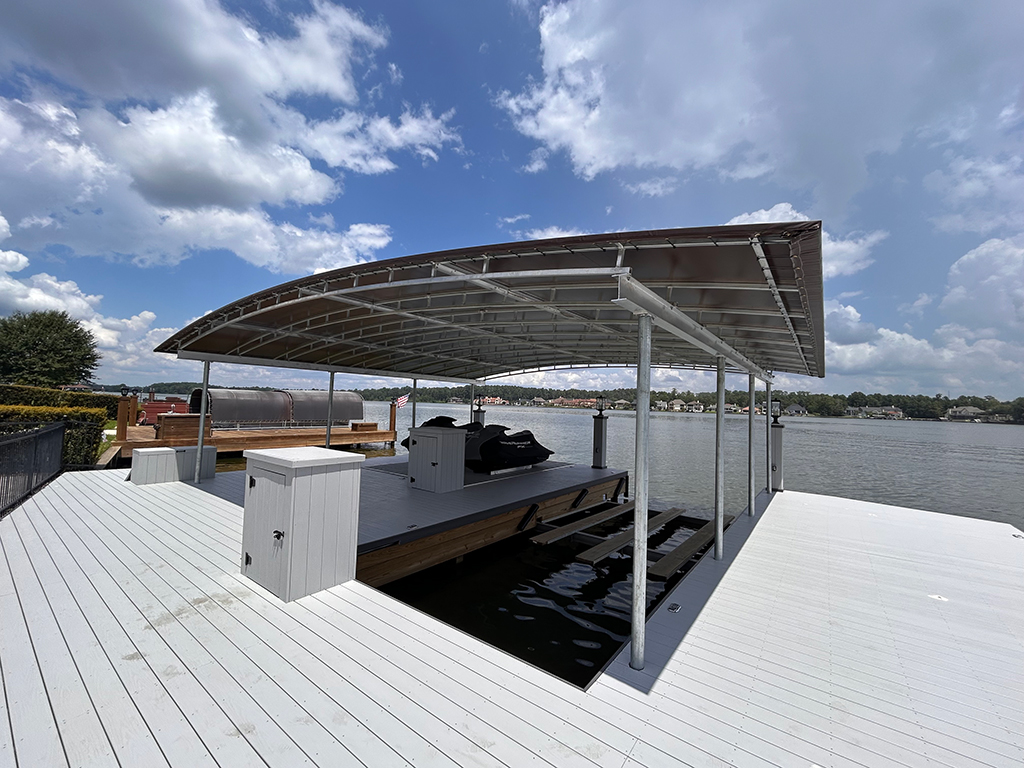
A boat cover for dock use gets weathered differently than one used for trailering or storage. It sits in the same spot day after day, absorbing heat, catching rain, dealing with birds, and collecting whatever blows in off the water. The underside gets it just as bad as the top, sometimes worse, because moisture tends to collect there and stay.
Worth asking your cleaning team: do you inspect the cover while you're working on it? Because a small seam starting to pull apart or a minor tear is a cheap fix right now. That same issue six months from now, after a hard storm, is a much bigger and more expensive conversation. A thorough team catches these things and mentions them. A team just trying to finish the job doesn't.
Rushing Through Cleaning Is Worse Than Not Cleaning at All
The common issue of leftover product residue remains insufficiently addressed in discussions. When a cleaner rinses the canvas and moves on before it's fully clear, that film stays in the fabric. The protective coating breaks down over time, which makes the canvas become brittle and causes discoloration that resembles weathering but results from chemical damage.
Real marine canvas cleaning tips come down to this: right product, right concentration, work in sections, rinse until the water running off is completely clear. The process requires this complete method. The method needs to work exactly like this because there exists no other way to reach the desired outcome. The situation requires thorough work because fast work will not produce results of equal quality.
Final Words
Your canvas is doing real protective work every day it's on that boat. It deserves to be maintained by people who actually understand it. The right boat canvas cleaning service isn't just whoever's cheapest or whoever shows up first. It's a team that knows marine fabric, uses the right products, doesn't rush, and tells you what they found when they're done.
That's what we do at The Boat Lift, Dock & Bulkhead Company. We know these conditions, we know this fabric, and we take the work seriously. When your canvas needs attention, give us a call.
Give your canvas the care it actually needs to last longer.
FAQs
How often should a lift be inspected?
A lift should undergo inspections once every 12 months yet high-use areas and coastal regions require equipment inspections to occur twice every year. At The Boat Lift Dock and Bulkhead Company, we provide regular boat lift inspection services which help identify initial signs of wear before they develop into expensive damages. The situation requires you to conduct more inspections when your lift experiences heavy usage or operates under severe conditions.
What is the average cost for a boat lift?
The cost of a boat lift can vary quite a bit depending on size, type, and installation complexity. The average cost ranges from a few thousand dollars to much higher amounts for larger or custom setups. Your budget needs to include extra costs which will arise from installation expenses, lift upgrade expenses, and continuous maintenance of the boat lift system.
Does a boat lift need a permit?
In many areas, yes—a permit is required before installing a boat lift. The coastal zone regulations depend on the authority of local and state governments. The best approach is to verify local regulations or to hire boat lift contractors who possess expertise in the permitting process.
How to inspect a boat lift?
A boat lift inspection requires evaluation of its cables and pulleys and motor operation and all structural parts. The inspection should reveal signs of rust or frayed components or loose connectors or any unexpected movement. The basic checks are self-performed but professionals need to conduct complete boat lift system assessments because they can identify hidden problems which require special skills to detect.