
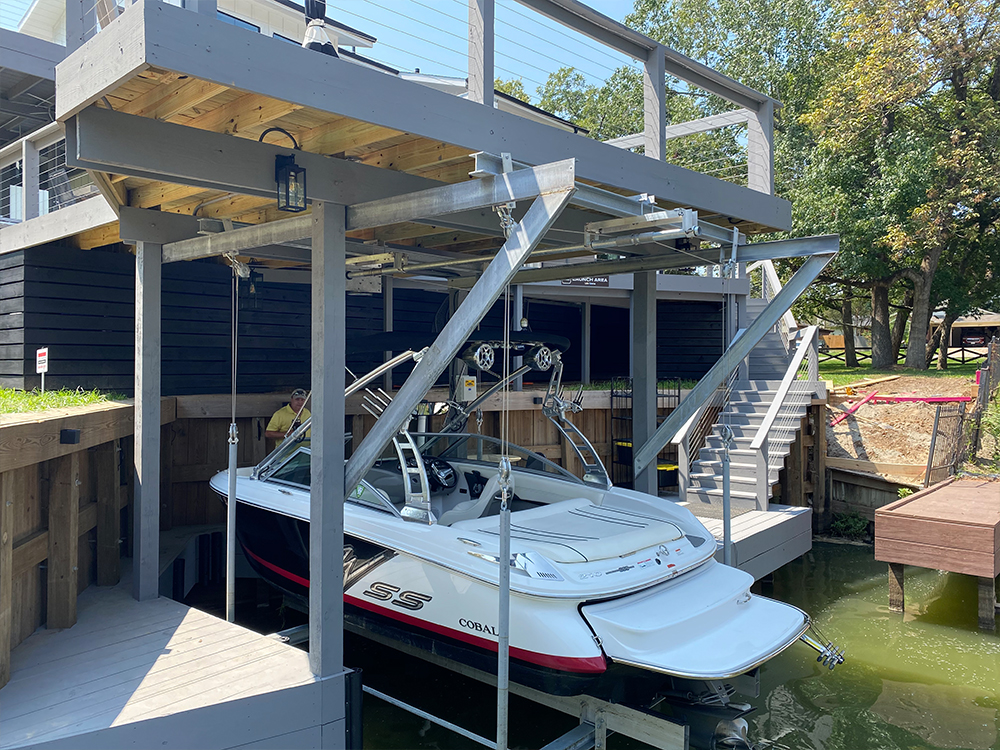
Owning a waterfront property sounds peaceful and it usually is. But it also comes with responsibilities people don’t always think about at first. One of the biggest? Keeping your lift system in good shape. That’s where a proper Boat Lift Installation and its Inspection becomes essential.
It’s not just about avoiding breakdowns. It’s about safety, protecting your boat, and making sure everything works when you need it to.
A lot of issues with lifts don’t happen overnight. They build slowly. And if no one’s checking regularly, small problems can quietly turn into expensive ones.
Why Do You Need a Boat Lift Inspection?
A lift sits in harsh conditions almost all year. Water exposure, humidity, wind, and sometimes salt- all of it adds up. Over time, parts begin to wear down. Cables weaken, bolts loosen, and motors strain a bit more than they should.
A proper Boat Lift Inspection helps catch these early. It’s much easier (and cheaper) to fix a worn cable than deal with a full system failure. It’s also about safety. A faulty lift isn’t just inconvenient—it can damage your boat or even put someone at risk.
What a Typical Boat Lift Inspection Covers
A good inspection isn’t just a quick glance. It’s a full boat lift system check, looking at how everything works together.
Cables and Pulleys
These handle most of the load. If they’re worn or frayed, the entire system becomes unreliable. Even slight damage here shouldn’t be ignored.
Motor and Electrical Components
The motor does the heavy lifting—literally. During a boat lift safety check, it’s important to look for corrosion, wiring issues, or unusual sounds when operating.
Structure and Frame
The frame holds everything together. Any rust, cracks, or instability can affect performance.
Alignment and Balance
If the lift isn’t evenly balanced, it puts stress on specific parts. Over time, that leads to uneven wear.
The process of inspection requires more than inspection itself. The maintenance of boat lifts enables operational efficiency until the scheduled inspections take place. The system will operate for an extended period when you perform basic maintenance tasks that include removing debris lubricating moving components and inspecting bolt security.
The system also provides benefits that increase the efficiency of boat lifts. The maintenance of a lift system will enhance its operational efficiency while reducing motor stress and extending total system lifespan.
Not sure if your lift is due for a check?
Signs Your Boat Lift Needs Immediate Attention
Sometimes, you don’t need a full inspection to know something’s off.
- The lift makes unusual noises
- Movement feels uneven or jerky
- Cables look worn or loose
- The motor struggles more than usual
If you notice any of these, don’t wait. A quick boat lift safety check can prevent bigger problems.
Impact of Coastal Conditions on Boat Lift
If you’re in coastal areas, especially when it comes to Boat Lift Inspection in Texas, conditions can be tougher.
Saltwater, storms, and heat can speed up corrosion and wear. That means inspections shouldn’t be skipped or delayed. In these environments, regular checks aren’t just recommended—they’re necessary.
Final Thoughts
The boat lift requires regular inspections to maintain safe operations. The system fails to handle even minor problems which leads to more severe complications that develop with time. The maintenance schedule which includes routine boat lift inspections and essential repairs will ensure your lift operates correctly while protecting your investment and providing safety to all users.
Our goal at The Boat Lift Dock and Bulkhead Company is to simplify and provide dependability in the performance of your boat lift systems by providing simple, easy access to the systems and their maintenance.
Keep in mind that performing small checks today could save you from having a large repair or something worse tomorrow.
Keep your boat lift running safely and efficiently with the right care and timely inspections.
FAQs
How often should a lift be inspected?
A lift should undergo inspections once every 12 months yet high-use areas and coastal regions require equipment inspections to occur twice every year. At The Boat Lift Dock and Bulkhead Company, we provide regular boat lift inspection services which help identify initial signs of wear before they develop into expensive damages. The situation requires you to conduct more inspections when your lift experiences heavy usage or operates under severe conditions.
What is the average cost for a boat lift?
The cost of a boat lift can vary quite a bit depending on size, type, and installation complexity. The average cost ranges from a few thousand dollars to much higher amounts for larger or custom setups. Your budget needs to include extra costs which will arise from installation expenses, lift upgrade expenses, and continuous maintenance of the boat lift system.
Does a boat lift need a permit?
In many areas, yes—a permit is required before installing a boat lift. The coastal zone regulations depend on the authority of local and state governments. The best approach is to verify local regulations or to hire boat lift contractors who possess expertise in the permitting process.
How to inspect a boat lift?
A boat lift inspection requires evaluation of its cables and pulleys and motor operation and all structural parts. The inspection should reveal signs of rust or frayed components or loose connectors or any unexpected movement. The basic checks are self-performed but professionals need to conduct complete boat lift system assessments because they can identify hidden problems which require special skills to detect.